











Unlocking the Secrets to Cat Dental Wellness: Essential Tips for a Healthy Mouth
Keeping your cat’s teeth clean may not be the first thing you think of when considering their overall health, but dental wellness is a critical component of their wellbeing. A healthy mouth can prevent diseases, maintain freshness in breath, and result in happier, more playful pets. Let’s dive into some essential tips for cat dental care.
Understanding the Importance of Cat Dental Care
Dental health in cats is often overshadowed by more immediate concerns like diet and vaccinations. However, poor dental hygiene can lead to significant health issues, including gum disease, tooth loss, and even more severe organ complications due to the bacteria from dental diseases entering the bloodstream.
Did You Know?
According to veterinary studies, by the age of three, most cats exhibit signs of dental disease. This statistic alone highlights the need for early and consistent dental care.
Signs of Dental Problems in Cats
Becoming familiar with the signs of dental problems can help you catch them early. Here are a few signs to watch out for:
- Bad breath: While cat breath isn’t meant to smell minty fresh, an overly foul odor can indicate a problem.
- Difficulty eating: If your cat suddenly seems cautious or slow while eating, or prefers soft food, there might be mouth pain involved.
- Visible tartar: Yellow or brown buildup near the gumline is a telltale sign of tartar.
- Red, swollen gums: Inflamed gums can indicate gingivitis.
- Pawing at the mouth: If your cat frequently paws at their mouth or rubs it on the floor, it could be trying to alleviate discomfort.
Practical Steps to Healthy Cat Teeth
Knowing the importance and signs of dental issues in cats is the first step. Next, follow these practical steps to help ensure your cat keeps a healthy mouth:
1. Regular Brushing
Just like in humans, brushing helps remove food particles and plaque from a cat’s teeth. Use a toothbrush designed for cats and pet-safe toothpaste (do not use human toothpaste as it can be toxic to cats). Begin by brushing a couple of times a week, gradually increasing to daily brushing.
2. Dental-Friendly Diets
Certain cat foods are formulated to help reduce plaque and tartar buildup. These typically include dry food designed to scrub teeth as your cat chews. Consult with your vet for recommendations on the best dental diet for your feline friend.
3. Regular Veterinary Check-Ups
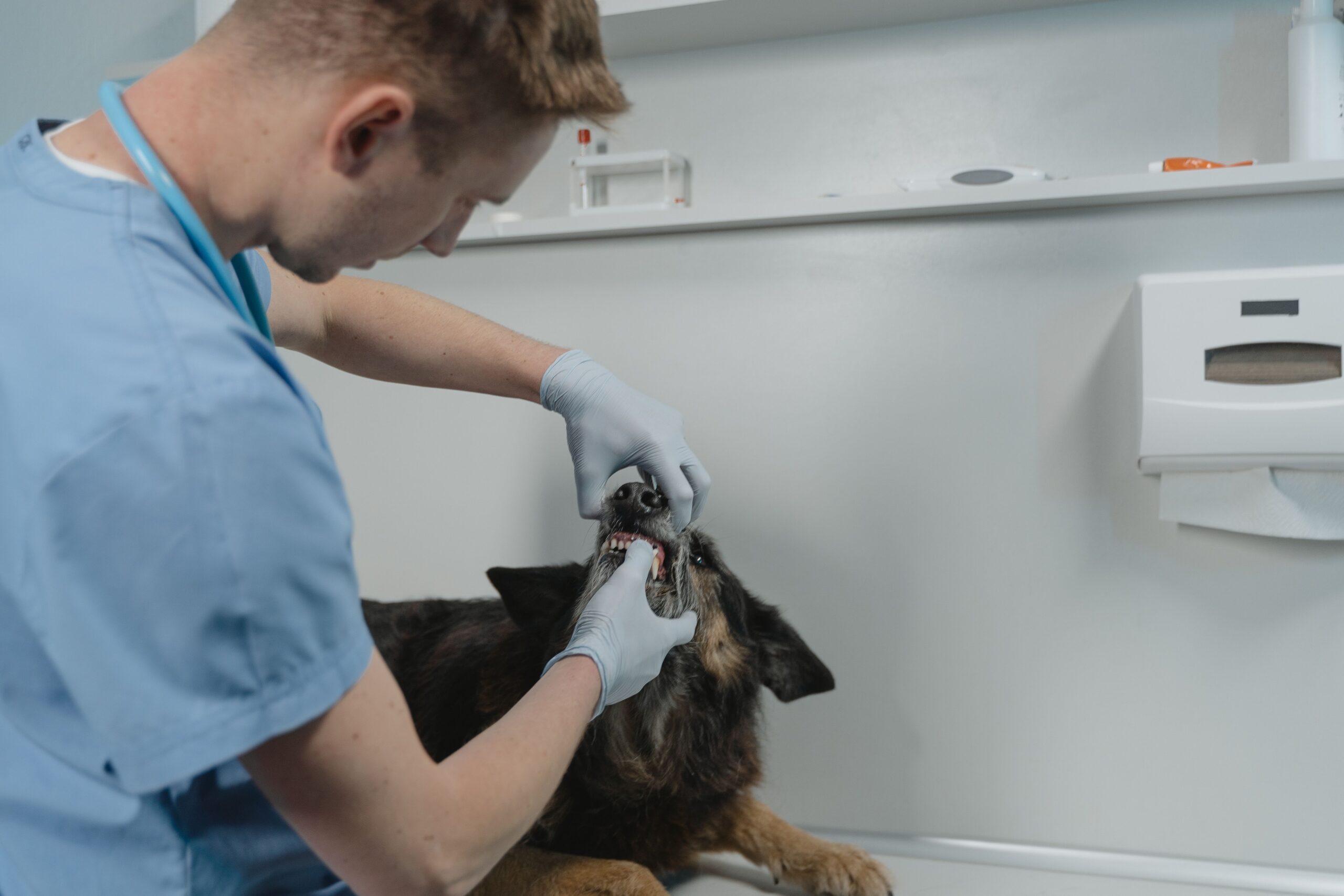
An integral component of maintaining your cat’s dental health is regular check-ups with the veterinarian. Professional cleanings and routine checks can catch dental issues before they become severe.
4. Dental Treats and Toys
Dental treats are not just tasty for your cat; they are designed to clean teeth and freshen breath. Chew toys are also great for oral health, as they encourage chewing which helps scrape away plaque.
Frequently Asked Questions About Cat Dental Care
How often should I brush my cat’s teeth?
Ideally, brushing your cat’s teeth daily is the best practice. However, several times a week can still significantly benefit their oral health.
Is anesthesia safe for cats during professional dental cleanings?
While anesthesia always carries a risk, veterinary professionals are trained to minimize this risk. The benefits of a professional cleaning typically outweigh the risks associated with anesthesia.
Can dental issues cause health problems elsewhere?
Yes, oral bacteria can enter the bloodstream and affect organs like the kidneys and heart, which is why maintaining dental health is critical.
Conclusion
Taking care of your cat’s dental health is a vital aspect of their overall wellness. Regular brushing, appropriate diet, and routine veterinary care can go a long way in preventing dental diseases and ensuring your cat leads a full and vibrant life. Remember, a healthy mouth supports a healthy cat!
Start today! Your furry friend deserves the best care for a sparkling smile and a healthier life.