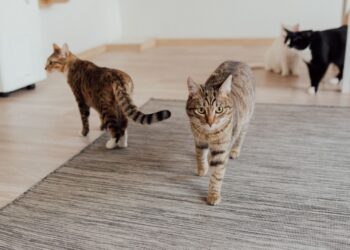











Understanding Why Your Cat Is Suddenly Peeing Outside the Litter Box: Key Causes and Solutions
Has your feline friend started avoiding their litter box and chosen unlikely spots around your home to relieve themselves? Such behavior not only disrupts home hygiene but also signals that your pet might be distressed. This guide delves into the possible causes and effective solutions to help restore your cat’s litter box habits.
Identifying the Root Causes
There are several factors why your cat may start peeing outside the litter box, ranging from medical issues to environmental stresses. Understanding these reasons is the first step toward resolving the issue.
1. Medical Conditions
Health issues are often the primary suspect when a cat changes its urination habits abruptly. Conditions like urinary tract infections (UTI), bladder stones, or even diabetes can cause discomfort and lead to your cat avoiding the litter box. It’s crucial to consult a veterinarian if you notice other symptoms such as strained urination, blood in urine, or excessive licking of the genital area.
2. Litter Box Dissatisfaction
Cats are notoriously finicky about their toilets. Discontent with the litter box itself is a typical reason for inappropriate urination. This dissatisfaction can stem from various factors:
- Uncleanliness: A dirty litter box is a major deterrent for cats, who prefer a clean area to do their business.
- Type of litter: Some cats have preferences regarding litter texture or scent.
- Size and style of the box: If the box is too small, large, or has high sides, it might be difficult for your cat to use.
- Location: A box placed in a noisy or high-traffic area can discourage usage.
3. Behavioral and Environmental Stress
Stress can dramatically affect your cat’s behavior, including their litter habits. Changes in your home environment such as moving furniture, a new pet, or even a new person can unsettle your cat. Additionally, if your cat feels threatened or stressed by another animal, they might begin to mark their territory.
4. Age-Related Issues
As cats age, they often develop arthritis which can make entering their litter box painful, especially if it has high sides. Cognitive dysfunction syndrome (similar to dementia in humans) which affects older cats, can also cause confusion and forgetfulness about appropriate urination places.
Solutions to Encourage Proper Litter Box Use
Addressing your cat’s sudden change in bathroom habits involves a mix of veterinary intervention, behavioral modifications, and environmental adjustments.
1. Visit Your Veterinarian
This is the first and most crucial step. A thorough medical examination can rule out or confirm any underlying health issues and ensure that any medical conditions are treated promptly.
2. Review the Litter Box Setup
Ensure that the litter box is always clean. Scoop it at least once a day and do a deep clean regularly. Experiment with different types of litter and litter boxes (covered vs. uncovered, different sizes and shapes) to find what your cat prefers. Additionally, make sure you have enough boxes throughout your home — the general rule is one per cat, plus one extra.
3. Manage Stress and Environmental Changes
Observe any alterations in your household or routine that might affect your cat. Maintain a quiet and stress-free environment. If you have multiple pets, provide multiple feeding areas and litter boxes to reduce competition. Feliway diffusers, which emit calming synthetic pheromones, can also help reduce cat anxiety and improve behavior.
4. Assist Elderly Cats
For older cats, consider lowering the sides of the litter box to make entry easier. Place boxes on every floor of your house where your elder cat spends time to ensure they don’t have to travel far. Regular veterinary check-ups can also help manage age-related health issues.
Actionable Tips for Long-Term Success
- Observe your cat’s behavior closely for early signs of distress or disease.
- Keep the litter box setup constant once you find what works.
- Gradually introduce any changes in your household to help your cat adjust.
In conclusion, a cat peeing outside the litter box is a sign that shouldn’t be ignored. By understanding the underlying causes, whether medical, environmental, or behavioral, and implementing suitable solutions, you can help your cat revert to good litter habits. Remember, patience and careful observation are your best tools in managing this issue effectively.