











Unlock the Secrets to Senior Cat Care Tips for a Happy, Healthy Pet
As cats enter their golden years, they require more than just the basic care to stay happy and healthy. Discover essential tips and considerate adjustments that can significantly enhance the quality of life for your senior feline friend. Whether you’re a seasoned cat owner or considering adopting an older cat, these insights will guide you through expert care strategies for your aging companion.
Understanding Senior Cats: Changes and Needs
Before diving into care tips, it’s important to recognize the changes that occur in cats as they age. Typically, cats are considered senior when they reach about 11 years old. During this life stage, you might notice physical and behavioral changes that affect their everyday activities and needs.
Physical Changes in Senior Cats
Senior cats may experience a decline in mobility due to arthritis, gain or lose weight, and show signs of deteriorating hearing or vision. Their immune system also weakens, making them more susceptible to various illnesses.
Behavioral Adjustments
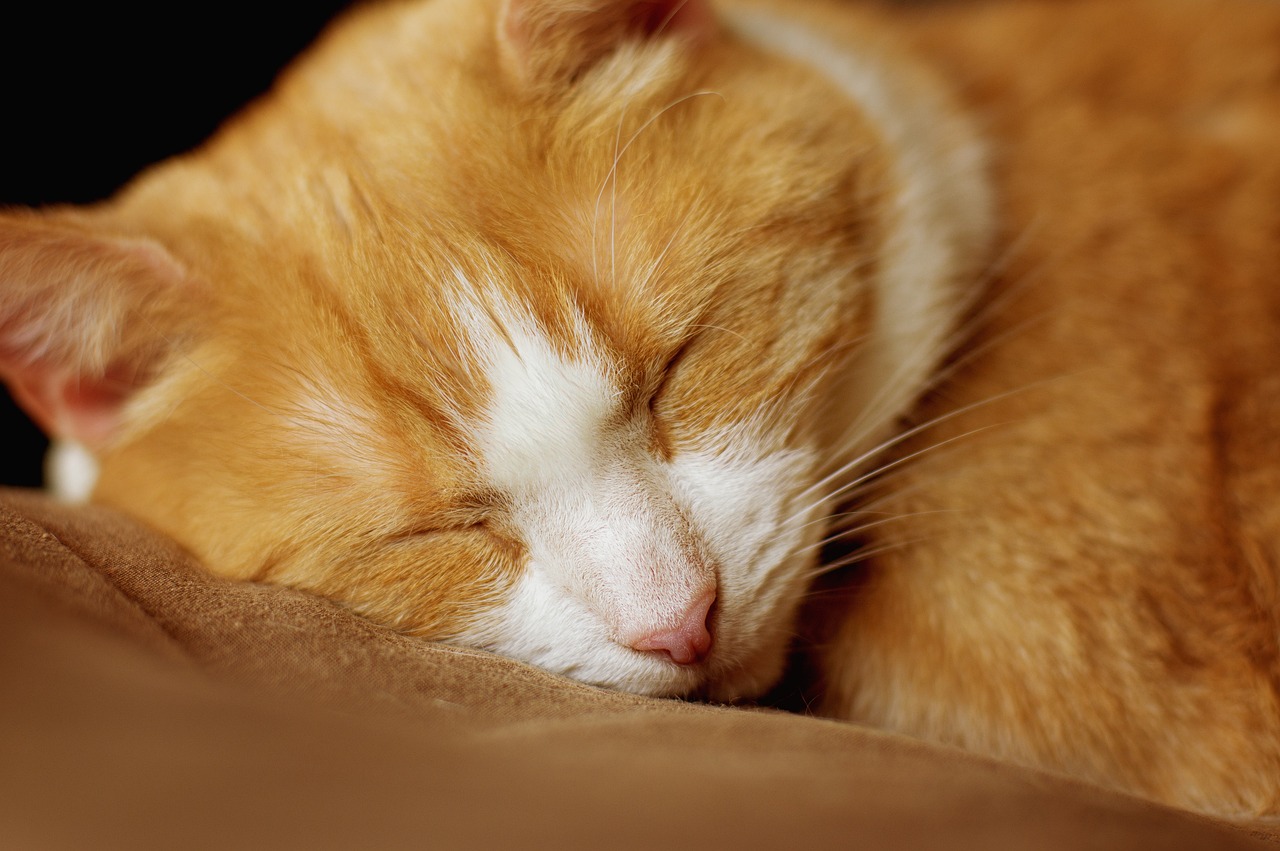
You might notice your senior cat sleeping more, being less interested in playing, or exhibiting confusion at times. Behavioral changes like these are common and should be approached with patience and understanding.
Essential Care Tips for Senior Cats
Providing the right kind of care can make a world of difference in the life of your senior cat. Here are several indispensable strategies:
1. Regular Veterinary Visits
As cats age, the likelihood of health issues increases, which makes regular vet visits crucial. Bi-annual check-ups allow for early detection and management of potential health problems such as kidney disease, thyroid issues, or diabetes.
2. Dietary Management
The dietary needs of senior cats can be quite different from those of younger cats. They may require diets lower in calories but richer in easily digestible proteins and essential nutrients to maintain muscle mass and support joint health. Consult your vet for recommendations on the best diet plan for your aging cat.
3. Comfortable Living Environment
Making small adjustments around the house can greatly enhance your senior cat’s comfort. Provide easy access to warm and cozy resting places. Consider a litter box with lower sides for easy entry and exit, and ensure it is easily accessible.
Enhancing the Quality of Life for Your Senior Cat
Pain Management
Watch for signs of pain or discomfort that could indicate health issues like arthritis. Your veterinarian can help you manage your cat’s pain through medications, supplements, or even acupuncture.
Social Interaction
Senior cats still need love and attention. Ensure you spend quality time with your cat daily, even if it’s just sitting together quietly or gently grooming them. This can help maintain their mental health and strengthen your bond.
Mental Stimulation
Keeping your senior cat’s mind active is just as important as physical health. Provide toys that stimulate their senses and encourage light physical activity. Puzzle feeders, which require your cat to solve simple problems for food rewards, are excellent for mental engagement.
Frequently Asked Questions
How should I adapt my home for a senior cat?
Focus on creating a safe, accessible environment. Place food and water bowls at reachable heights if your cat has arthritis. Secure loose rugs and clear walkways to prevent falls, and provide plenty of step-up platforms to favorite elevated perches.
What are signs of distress or illness in senior cats?
Keep an eye out for changes such as increased hiding, decreased appetite, unusual vocalization, less frequent use of the litter box, or visible signs of disorientation, as these may indicate underlying health problems.
Can senior cats still learn new things?
Absolutely! While they may not be as quick to learn as kittens, senior cats can learn new tricks and routines, provided you are patient and the training sessions are short and positive.
Conclusion
Caring for a senior cat involves attentive love and understanding of their unique needs. By following these tips, you can ensure your furry friend enjoys their later years in comfort and joy. Remember, each cat is unique; continuously adapting your care approach as your cat ages is crucial for their well-being. Embrace these golden years with your companion, making every moment count!