











Mastering Your Cat’s Health: A Complete Guide to the Cat Wellness Exam Checklist
As a beloved cat owner, you already know that keeping your furry friend healthy and happy is a top priority. This comprehensive guide is designed to help you understand what happens during a cat wellness exam and how you can use this knowledge to better care for your cat. We’ll cover everything from the basics of what a wellness exam is to the specific checkpoints a veterinarian will typically review. So, let’s embark on this journey to ensure your cat leads a long, joyful, and healthy life.
What is a Cat Wellness Exam?
A cat wellness exam, also known as a routine checkup, is an essential component of preventive veterinary care. During this examination, your veterinarian will assess your cat’s overall health to ensure there are no apparent signs of illness or distress. These regular checkups also provide an excellent opportunity to discuss any concerns you may have about your cat’s health or behavior.
Key Components of the Cat Wellness Exam Checklist
Understanding what your veterinarian is looking for during a wellness exam can make the process more transparent and less daunting. Here’s what typically makes up the cat wellness exam checklist:
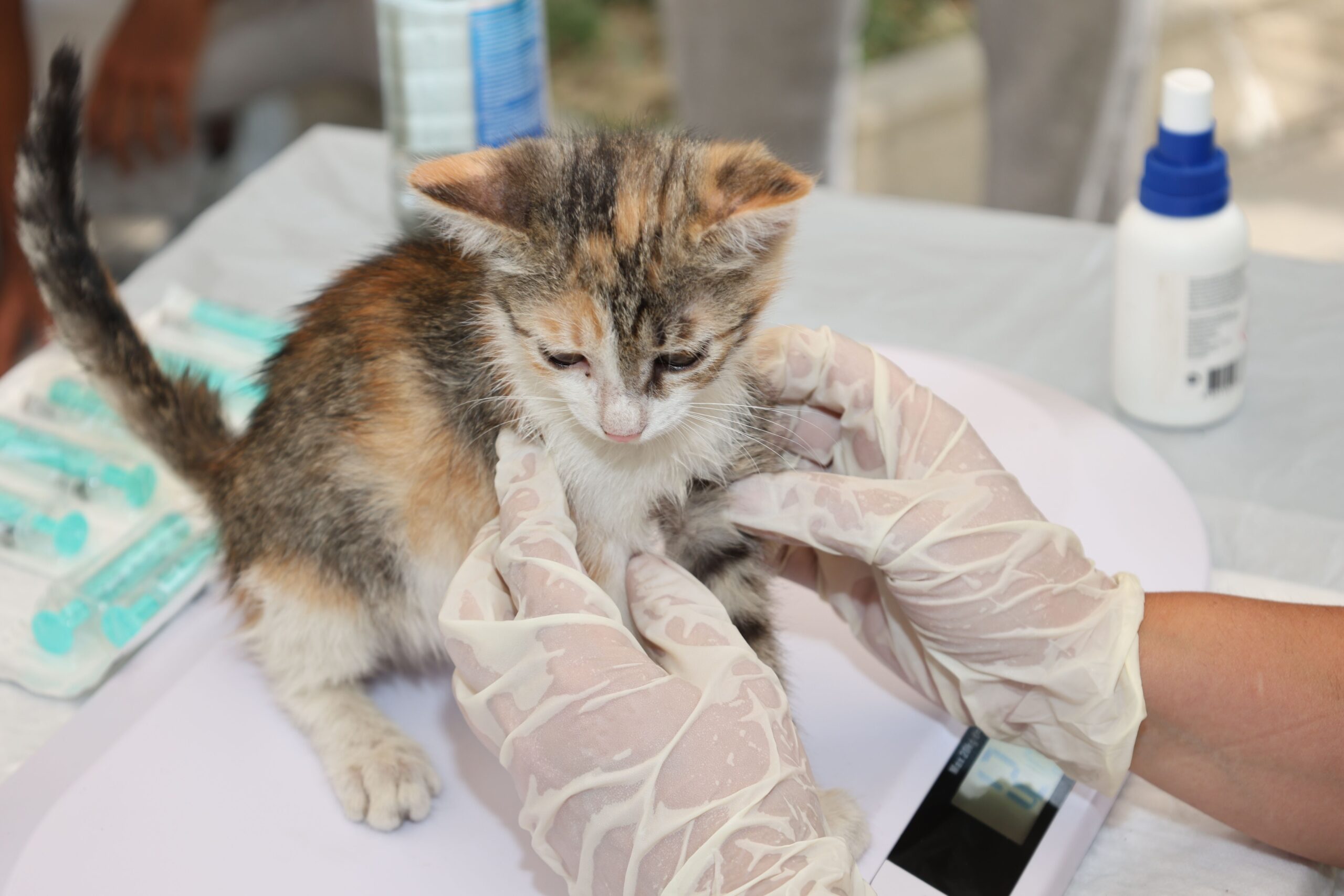
1. Weight and Body Condition
Your vet will start by weighing your cat and assessing their body condition. This helps to determine if your cat is underweight, overweight, or at an ideal body weight. Weight changes can be indicators of health issues such as diabetes or thyroid problems.
2. Skin and Coat Health
A healthy coat and skin are good indicators of overall health. Your vet will check for signs of fleas, ticks, allergies, or other skin conditions, which can include dry skin, oiliness, unusual hair loss, or dandruff.
3. Eyes, Ears, and Nose
These are critical checkpoints as issues here can suggest infections or systemic health problems. The vet will look for redness, discharge, cloudiness, or any other abnormalities that could impair your cat’s vision, hearing, or sense of smell.
4. Oral Health
Dental health is vital as poor oral hygiene can lead to serious health challenges including kidney, liver, and heart muscle changes. The vet will check for gum disease, excessive tartar or plaque buildup, and any signs of infection or tooth decay.
5. Heart and Lung Examination
This involves listening to your cat’s heart and lungs with a stethoscope. The vet listens for any abnormal heart murmurs, irregular heartbeat, or signs of respiratory issues that could indicate underlying health problems.
6. Abdominal Check
The abdominal palpation is a technique used by veterinarians to feel the organs and tissues inside the belly. This can help detect abnormalities in organs like the kidneys, liver, intestines, and bladder.
7. Musculoskeletal Evaluation
Mobility issues or arthritis can often be spotted during a physical examination. Your vet will check the joints, bones, and muscles for any signs of discomfort, swelling, or difficulty in moving.
8. Neurological Health
A basic neurological evaluation checks the reflexes and nerve responses, which are essential for detecting problems in the nervous system that could affect your cat’s mobility and quality of life.
How Often Should Your Cat Have a Wellness Exam?
The frequency of wellness exams depends on your cat’s age, lifestyle, and health. Kittens should have more frequent checkups, usually every 3-4 months, to get vaccinations and check for developmental issues. Adult cats typically need annual wellness exams, and senior cats, or those with health issues, might require bi-annual visits.
Preparing for Your Cat’s Wellness Exam
Being prepared can make the wellness exam more efficient and less stressful for your cat. Here are some tips:
- Medical History: Bring any medical records you have, especially if it’s a first visit to a new vet, or your cat has recently been sick or injured.
- Behavior Notes: Keep notes about any unusual behaviors or symptoms your cat has exhibited, as these can be crucial for diagnosing problems.
- Questions: Write down any questions you want to ask your vet so you don’t forget during the appointment.
- Comfort: Bring a favorite blanket or toy to make your cat feel more secure during the visit.
Conclusion
Regular wellness exams are instrumental in maintaining your cat’s health. They allow for early detection and treatment of potential health issues, ensuring that your cat enjoys a quality life. With the guidance of your vet and a thorough understanding of the wellness exam checklist, you can play an active role in your cat’s health and well-being.
So, make sure to schedule your cat’s next wellness appointment, and approach it as a positive step towards a long and healthy life for your beloved pet. After all, they rely on you as much as you enjoy their affectionate companionship!