











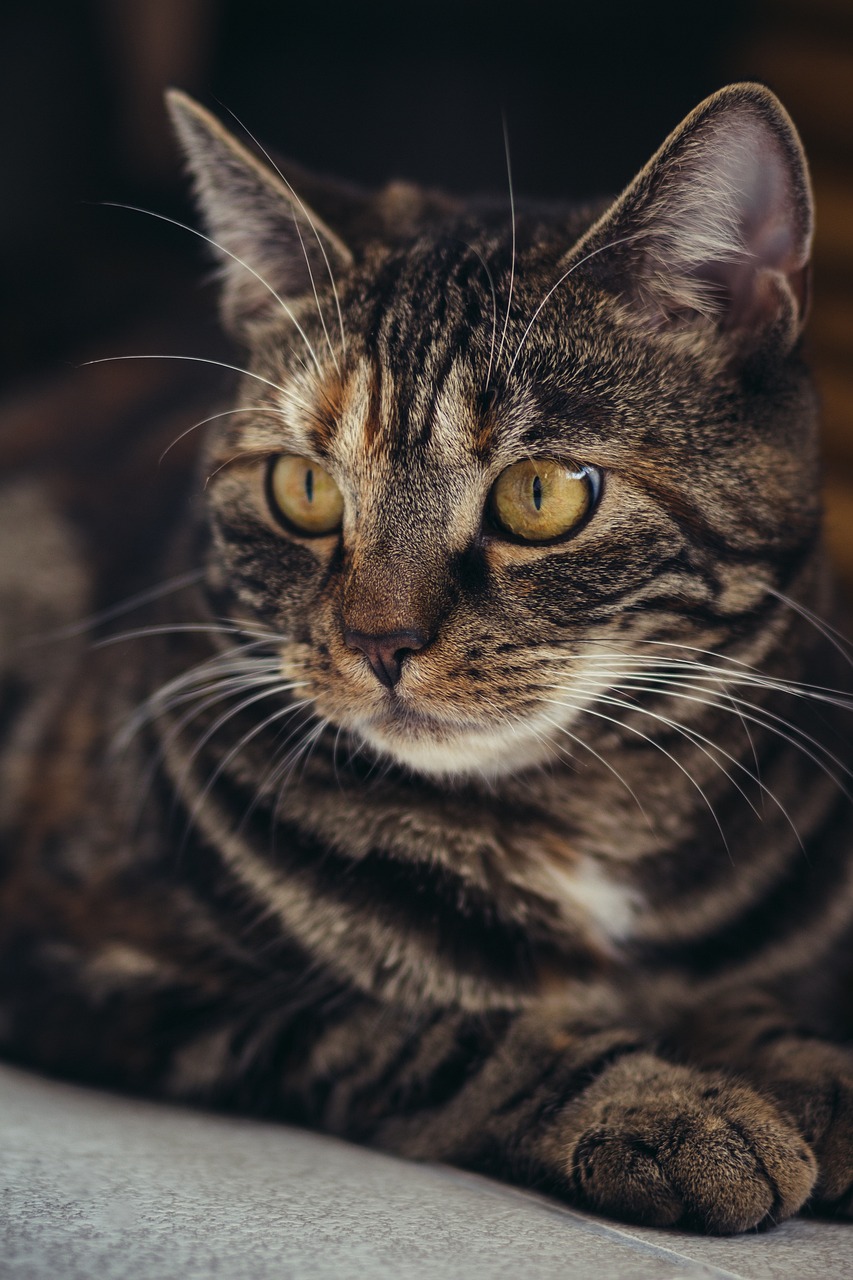
Is Your Cat Hiding All Day But Eating Normally? Find Out Why!
Many cat owners experience puzzling behavior from their feline friends, who occasionally seem to prefer solitude over social interaction, yet maintain normal eating habits. Understanding why your cat insists on hiding while continuing to eat normally can help alleviate concerns and ensure your pet remains healthy and happy.
Cat Behavior: A Mystery Unveiled
Cats are known for their enigmatic and solitary nature, which can often leave their owners perplexed. It’s crucial to recognize that a cat’s need for hiding doesn’t necessarily signal a problem — it could very well be part of their normal behavior or a temporary need for solitude.
The Instinct to Hide
By nature, cats are predators — and sometimes prey. In the wild, they often seek out secluded spots to feel safe while keeping an eye on their surroundings. This behavior can be observed in domestic cats too, who may hide as a natural instinct to protect themselves, even in a safe environment.
Stress and Anxiety
Changes in the environment, such as moving to a new home, changes in household routines, or the introduction of new pets or family members, can cause stress in cats, prompting them to hide. While they might be dealing with anxiety, their appetite could remain unaffected, leading them to eat normally.
Common Reasons Behind Your Cat’s Hiding Behavior
Illness or Pain
Sometimes, when cats feel ill or in pain, they prefer to hide as a coping mechanism. However, if they continue to eat normally, the illness might not be affecting their digestive system or appetite directly. It’s always wise to consult a veterinarian if the behavior persists to rule out any underlying health issues.
Need for a Safe Space
Cats often seek out quiet, enclosed spaces where they feel most secure and safe from potential threats. If your home is noisy or there are frequent visitors, your cat may choose to hide more often but still emerge for food.
How to Assess If There’s a Problem
Behavioral Changes
Monitor your cat’s overall behavior, not just their eating habits. Changes in how they interact with family members, alterations in their sleep patterns, or fluctuations in energy levels can provide clues about their health and well-being.
Veterinary Insights
If your cat’s hiding behavior is accompanied by other signs of distress or if you notice changes in eating habits, a visit to the vet is recommended. Regular check-ups can preempt major health issues and keep your cat in optimal health.
Encouraging More Social Behavior
Create a Welcoming Environment
Ensure your home has numerous comfortable and quiet spaces for your cat but avoid too much isolation. Occasionally, you might rearrange their environment to rejuvenate their interest and reduce their tendency to hide.
Interactive Play and Comfort
Engage your cat in regular playtime. Using toys that mimic prey, like feather wands or small, motorized mice, can encourage them to come out of hiding and interact more with family members. Also, gentle petting sessions can help strengthen your bond, increasing their comfort level around people.
When to Consult a Professional
If your cat’s behavior changes drastically or if they hide constantly without any visible reason, consulting with a veterinarian or a cat behaviorist is advisable. They can offer insights specific to your cat’s health and environment, potentially identifying the causes of such behavior and suggesting practical solutions.
Final Thoughts
While it may seem concerning at first, a cat hiding isn’t always a reason for alarm. Keep watching their behavior, ensure they have a safe and comfortable environment, and maintain regular veterinary care. By understanding and respecting their needs and signs, you can enjoy a harmonious relationship with your feline friend, ensuring they feel as secure and happy as possible in your home.