











Choosing the Best Apartment Cats for Families: A Comprehensive Guide
When living in an apartment, selecting the right pet to fit your family’s lifestyle and space constraints is crucial. Cats are a popular choice due to their relatively low maintenance and affectionate nature. However, not all cat breeds are suited for apartment living, especially when children are involved. This guide provides an insightful look into the best apartment-friendly cats for families, offering tips on how to make your furry friend feel at home in a smaller space.
Understanding the Basics: Why Cats are Great for Apartments
Cats are known for their independence and ease of care, which makes them ideal pets for families living in apartments. They don’t require outdoor exercise like dogs and are happy to live a mostly indoor life as long as they have windows to peer out of and perches to climb. Cats typically adjust well to the confines of an apartment, given the right amount of attention and mental stimulation.
Benefits of Having a Cat in an Apartment
- Space Efficiency: Cats generally need less space than dogs, making them perfect for smaller living areas.
- Low Maintenance: They don’t need to be walked outside and can be left alone for longer periods.
- Emotional Support: Cats can offer companionship and stress relief to all family members.
Selecting the Right Cat Breed for Your Family
When choosing a cat for your apartment, consider the breed’s temperament, energy level, and how well it might integrate with children. Some cats are more social and others value their solitude, so knowing a breed’s characteristics can help you make a better decision that aligns with your family’s lifestyle.
Top Cat Breeds for Apartment Living
The Ragdoll
Ragdolls are known for their docile and gentle nature. They are often referred to as “puppy cats” because of their tendency to follow their owners around and their ease in being handled. This breed is ideal for families with children due to their tolerance and affectionate demeanor.
The British Shorthair
Known for its dense and cuddly coat, the British Shorthair is a robust, easygoing breed that typically gets along well with children and other pets. Its calm disposition makes it a great companion for snuggles and relaxed play, perfect for indoor environments.
The Scottish Fold
The Scottish Fold is recognized for its unique ear shape and its ability to adapt to various environments. They are incredibly friendly and often seek out human interaction, making them a wonderful addition to families with or without children.
The Siamese
If your family enjoys vocal cats, the Siamese might be the right choice. They are affectionate, active, and enjoy interacting with their human family. Their social nature makes them less prone to anxiety when left alone, provided they have sufficient toys and activities.
Considerations When Bringing a Cat Home to Your Apartment
- Space Modifications: Ensure there are enough high perches and hiding spots. Cats love vertical space and quiet corners to retreat to when overwhelmed.
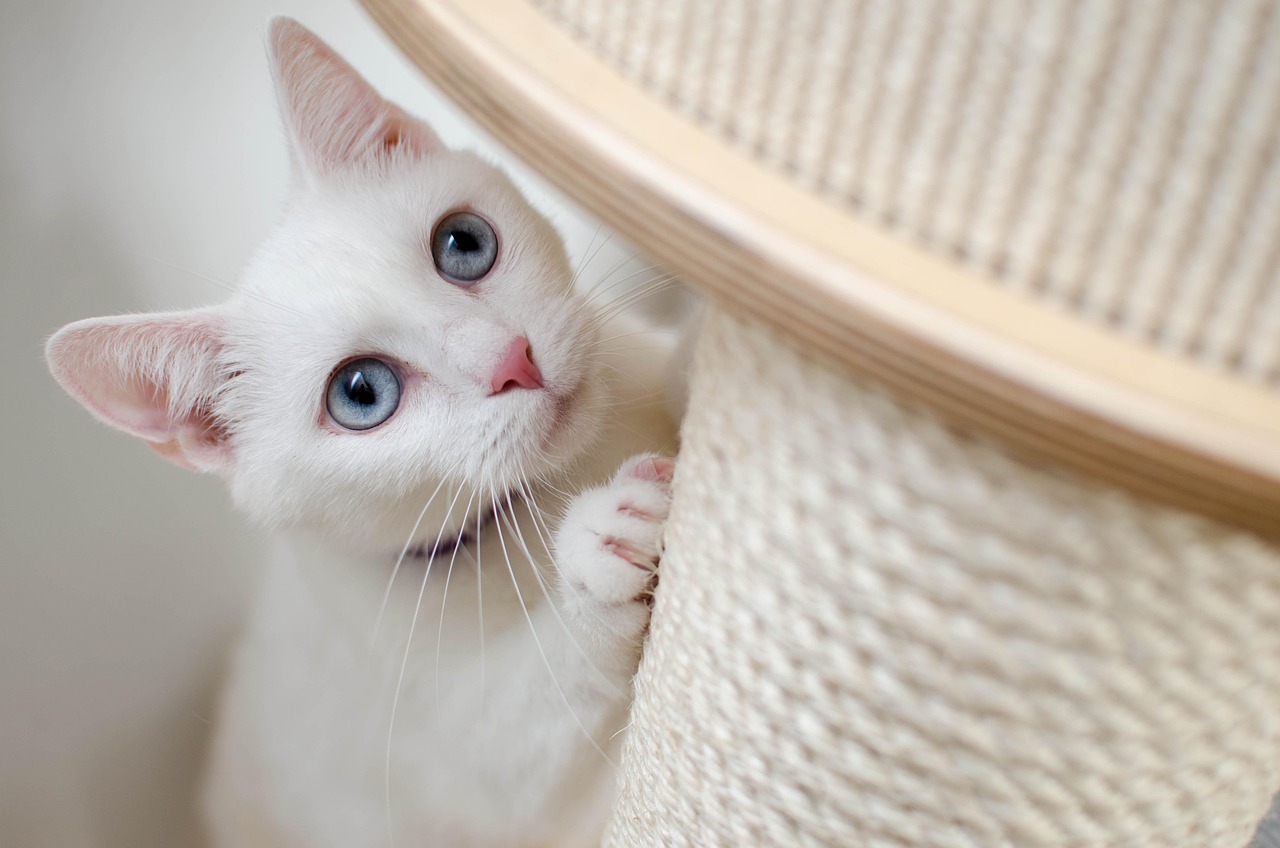
- Scratching Posts: Invest in multiple scratching posts or pads to keep your cats from damaging furniture.
- Interactive Toys: Keep them entertained with toys that stimulate their hunting instincts and prevent boredom.
- Litter Box Placement: Find a discreet yet accessible spot for the litter box, far from the kitchen and dining areas to maintain hygiene.
Maintaining Harmony and Health in a Smaller Space
Keeping a cat healthy and happy in an apartment requires attention to their physical and mental health. Regular veterinary checkups, vaccinations, and parasite control are fundamental. Additionally, maintaining a clean environment is crucial for your family’s and pet’s health.
Exercise and Entertainment
Even in small spaces, it’s important to engage your cat in regular play to keep them active and prevent obesity. Lasers, wand toys, and even simple DIY toys from household items can provide great exercise and fun.
Diet and Nutrition
Feeding your cat high-quality food in the correct portions is essential to avoid weight gain, especially in less active indoor environments. Consult your vet for recommendations tailored to your cat’s age, health, and breed.
Conclusion: Creating a Loving Home for Your Cat
Choosing the right cat for your apartment and family lifestyle can lead to a loving and enriching relationship for everyone involved. By understanding the specific needs of apartment-dwelling cats and providing a safe, engaging, and caring environment, you can ensure a happy, healthy life for your new pet. Remember to consider the breed’s characteristics, prepare your space accordingly, and commit to their health and happiness through attentive care and affection.