











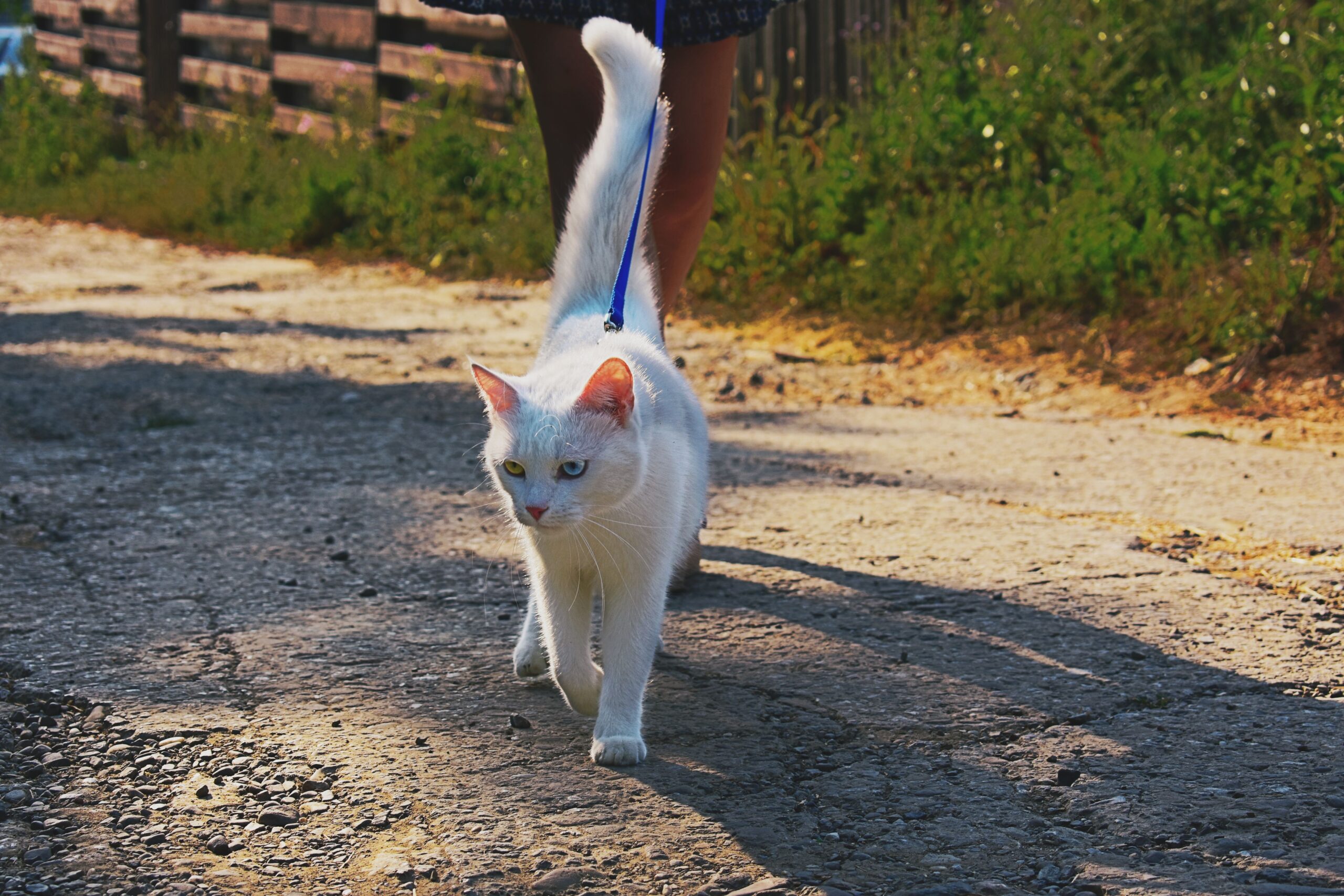
Transform Your Walks: The Ultimate Guide to Cat Leash for Leash-Averse Cats
Walking your cat on a leash may not be the first image that pops into your mind when you think of feline activities. Yet, venturing outdoors can provide your pet with enriched experiences and exercises they wouldn’t otherwise get indoors. In this guide, we will explore how you can gently introduce your leash-averse cat to the wonders of walking outdoors, ensuring safety and enjoyment for both of you.
Understanding Your Cat’s Leash Aversion
Before diving into training techniques, it’s important to understand why some cats are wary of leashes. Cats are inherently curious but also territorial and sensitive to changes in their environment. Introducing something unfamiliar like a harness or leash can trigger stress or fear. Understanding this will guide your patience and persistence in training.
Common Signs of Leash Aversion
- Hiding – Your cat may hide when they see the leash or harness.
- Agitation – Watch for signs of distress like tail flicking or ears going back.
- Refusal – Your cat stays put or makes it difficult for you to put on the harness.
Choosing the Right Harness and Leash
Finding the correct harness and leash is crucial for making the walking experience a comfortable one for your cat. The wrong type can increase their discomfort and worsen their aversion.
Types of Harnesses
Choose a harness that is specifically designed for cats, as they have different body structures from dogs. Here are a few types to consider:
- H-style harness – Provides secure fitting and distributes pressure evenly across the body.
- Vest harness – Often more comfortable and easier to put on your cat.
- Adjustable harnesses – Allows for a perfect fit as you can adjust it according to your cat’s size.
As for leashes, a lightweight, retractable leash works well as it gives your cat a feeling of freedom while keeping them safe under your control.
Training Your Cat to Wear a Harness
Patience is key when it comes to training your cat. The process should be gradual and positive.
Introducing the Harness
Start by letting your cat sniff and explore the harness. Place it near their sleeping area or feeding place to incorporate it into their safe spaces. You can also use treats to create positive associations with the harness.
Wearing the Harness
Once your cat seems comfortable with the harness being around, you can begin putting it on them for short periods. Ensure the harness is snug but not tight. Gradually increase the time they wear it inside the house.
Attaching the Leash
When your cat is comfortable wearing the harness, attach the leash. Let them walk around the home dragging the leash so they can get used to the weight and feel of it.
First Outdoor Adventure
When your cat seems ready, take the first step outside. Choose a quiet time of day and a safe, enclosed area if possible. Keep the first few outings short and sweet. Offer treats and encouragement as they explore their new environment.
Tips for a Successful Walk
- Read Their Body Language – Always keep an eye on how your cat is feeling. Retreat indoors if they seem stressed or scared.
- Explore Gradually – Allow your cat to lead the way and explore at their own pace.
- Regular Practice – Regular, short walks will help build your cat’s confidence and familiarity with outdoor adventures.
FAQs
What do I do if my cat completely refuses to move while on a leash?
If your cat freezes up, it’s important to be patient. Sit quietly with them and offer treats or soothing words. Encourage any small steps they take with gentle praise and more treats.
How long does it take for a cat to get used to a leash?
Each cat is different. Some may adjust within a few days, while others might take weeks or even months. Consistency and patience are key in this process.
Conclusion
Introducing your cat to a leash involves understanding their fears, choosing the right gear, and patiently training them. But the reward of enriching your pet’s life with new sights, sounds, and smells makes this journey incredibly worthwhile. With time and patience, even the most leash-averse cat can enjoy these liberating experiences, strengthening your bond and enriching their well-being.