










Discover the Best Low Energy Cat Breeds for Apartments: A Guide to Quiet Companions
If you live in an apartment and are considering adding a feline friend to your family, choosing a cat with a low-energy temperament can be a wise decision. Low-energy cat breeds are often more content in smaller spaces, require less active playtime, and are generally quieter — perfect qualities for apartment living. This guide explores some of the best low-energy cat breeds for apartment dwellers, offering insights into their personalities and care needs, helping you make an informed choice for a peaceful and happy cohabitation.
Why Choose a Low Energy Cat Breed for Your Apartment?
Apartment living often comes with its set of challenges, such as limited space and the need to keep noise levels down, especially in units with nearby neighbors. Low-energy cats typically adjust better to these environments as they tend to be more relaxed and less prone to behaviors like excessive meowing or hyperactivity, which can be amplified in confined spaces.
Space Considerations
Smaller apartments mean less room for a cat to run and play. A cat with lower energy is usually more comfortable lounging around than feeling the need to explore and climb extensively.
Noise Levels
Less active cats are often quieter. This is particularly important in apartment settings where loud noises can disturb neighbors. Cats that are more laid-back tend to meow less and are less likely to engage in noisy play at late hours.
Top Low-Energy Cat Breeds for Apartment Living
When selecting a feline companion for your apartment, consider these naturally quieter and more placid cat breeds:
1. British Shorthair
Known for their chubby cheeks and dense coat, British Shorthairs are not only charming but also notably sedate. They enjoy affection but on their terms, preferring to sit next to you rather than on your lap. Their laid-back nature makes them ideal for apartments.
2. Persian
Persians are perhaps one of the most popular low-energy breeds. They enjoy a calm environment and love to spend hours just resting and being pampered. With their luxurious fur, they do require regular grooming, which can be a quiet bonding activity.
3. Ragdoll
True to their name, Ragdolls go limp with relaxation when picked up. They thrive on human companionship and are happy to live at a leisurely pace, making them perfect apartment cats.
4. Scottish Fold
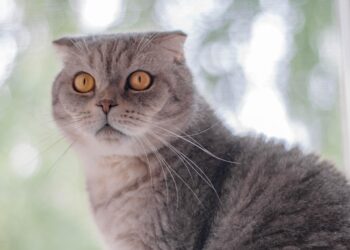
The Scottish Fold is recognized for its unique ear shape and gentle temperament. They are incredibly friendly and comfortable in indoor environments, content with short play sessions followed by lengthy naps.
5. Exotic Shorthair
The Exotic Shorthair is the shorthaired version of the Persian, with similar traits but a shorter coat that requires less grooming. They have a quiet demeanor but are playful enough to keep entertained without excessive energy bursts.
Care and Considerations for a Happy Apartment Cat
Meeting Their Needs
Even low-energy cats need some form of mental stimulation and physical activity. Incorporate interactive toys that can engage them without the need for too much space. Puzzle feeders, for example, are great for stimulating their minds and keeping them occupied.
Creating Comfortable Spaces
Ensure your apartment is equipped with comfortable resting areas. Position cat beds or suitable furniture near windows where your cat can gaze outdoors. Vertical spaces, like a small cat tree or wall-mounted shelves, can also help them feel more at home without requiring too much space.
Regular Health Checks
Apartment-bound cats might not get as much physical exercise as those that have access to outdoor areas. Thus, keeping an eye on their weight and overall health is essential. Regular veterinary check-ups can help catch any health issues early.
Making Your Decision
Choosing the right cat breed for your apartment involves understanding your lifestyle and how much time, space, and effort you can dedicate to a pet. Low-energy cats are perfect for those who appreciate quieter, more independent pets, but they also need affection and interaction. By considering their features and needs, you can ensure a harmonious living situation for both you and your new feline companion.
Remember, each cat is unique, and spending time with different breeds or individual cats can help you find the perfect match. If adopting, consider visiting local shelters where many quiet and loving cats are waiting for a home they can thrive in, even one with cozy corners and peaceful vibes.