











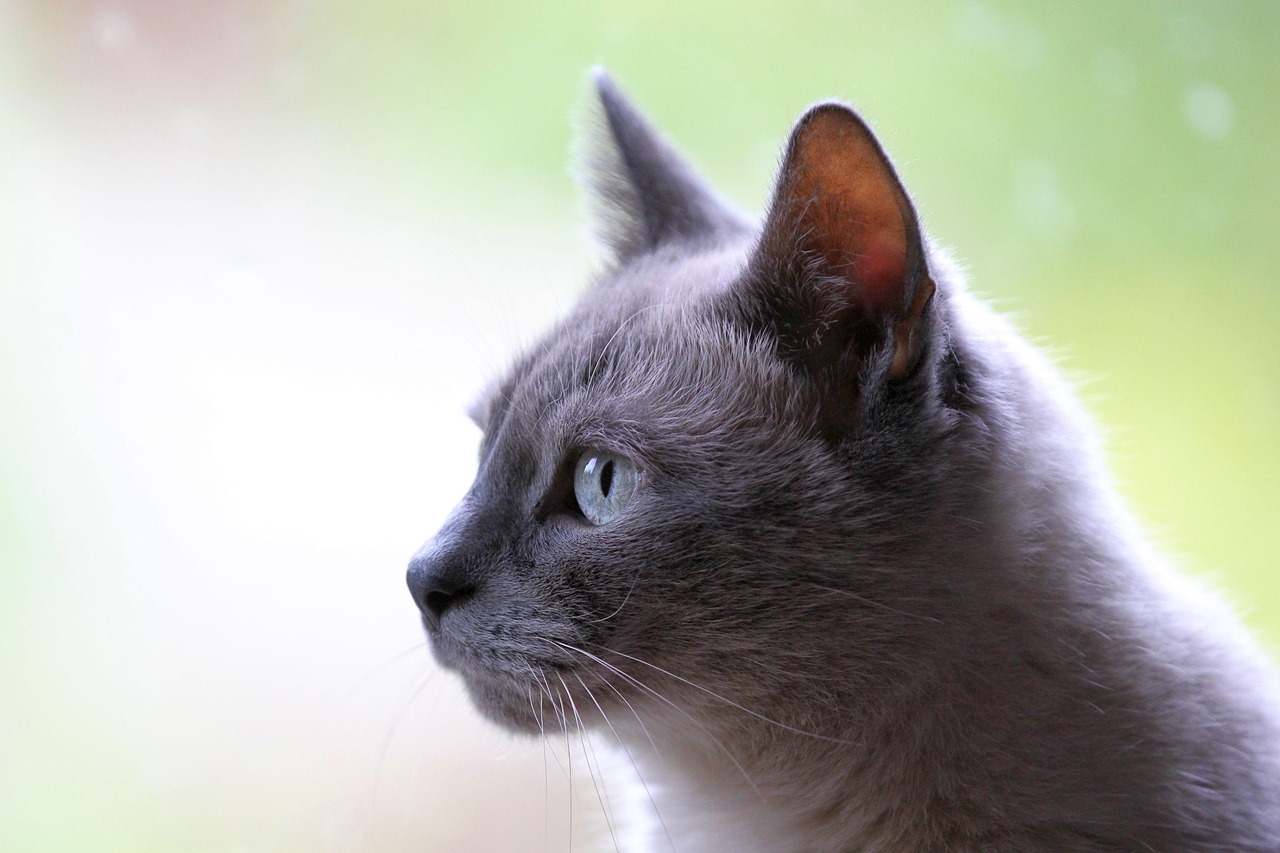
Soothing Your Feline: How to Calm an Aggressive Cat Naturally
Dealing with an aggressive cat can be a challenging task for any pet owner. Aggression in cats can manifest in various forms such as hissing, scratching, or biting, and may stem from fear, stress, or territorial disputes. Fortunately, there are natural strategies you can employ to help calm your feline friend and restore peace to your household.
Understanding Cat Aggression
Before we delve into calming techniques, it’s crucial to understand why your cat might be displaying aggression. Identifying the root cause is the first step in effectively addressing the behavior.
Common Causes of Feline Aggression
- Fear: A scared cat is more likely to become aggressive as a defensive mechanism.
- Pain: Medical issues can cause pain and discomfort, leading to aggressive behavior.
- Stress: Changes in the environment, such as moving to a new house or the arrival of a new pet, can stress cats.
- Overstimulation: Too much petting or play can lead to frustration and aggressive reactions.
- Territoriality: Cats are naturally territorial, and the presence of other pets can trigger aggressive behaviors.
Natural Methods to Calm an Aggressive Cat
Now that we understand some triggers of aggression, let’s explore effective techniques to help calm your cat naturally.
1. Create a Safe Space
Ensure your cat has a comfortable, quiet area where it can retreat without feeling threatened. This might be a cozy bed in a seldom-used room or a cat tree with multiple levels. The key is to make this space accessible and inviting, filled with familiar smells and soft textures.
2. Utilize Pheromones
Synthetic pheromones, such as Feliway, mimic the natural calming pheromones cats release. Diffusing these pheromones around your home can significantly reduce stress-related behaviors and aggression. These diffusers are widely available and can be used in rooms where your cat spends the most time.
3. Incorporate Play Therapy
Regular play sessions are crucial for your cat’s mental and physical health and can help manage aggression. Use toys that allow your cat to stalk, chase, and pounce without direct contact with your hands, such as wand toys with feathers or small stuffed mice. This helps your cat release pent-up energy and aggression in a controlled manner.
4. Maintain a Routine
Cats are creatures of habit and thrive on routine. Keeping a consistent schedule for meals, playtime, and cuddling can provide a sense of security and reduce stress levels. Disruptions in their daily routine can lead to anxiety and aggressive behaviors.
5. Consider Herbal Remedies
Some natural supplements and herbal remedies can help calm an aggressive cat. Valerian, chamomile, and lavender are known for their soothing properties. These can be administered through sprays, treats, or diffusers. However, it’s important to consult with a veterinarian before introducing any new supplement to your cat’s diet.
6. Provide Vertical and Horizontal Territories
Adding more vertical space, such as cat shelves or high perches, allows your cat to observe its surroundings from a safe height, which can reduce anxiety and aggression. Likewise, creating clear pathways in your home can help avoid conflicts in multi-pet households.
Recognizing When to Seek Professional Help
While natural methods can be highly effective, some cases of aggression require professional intervention. If your cat’s behavior doesn’t improve or worsens, it’s essential to consult with a veterinarian or a feline behaviorist. They can provide a thorough assessment and tailored strategies for managing your cat’s aggression.
Conclusion
Calming an aggressive cat naturally involves understanding the causes of their behavior, creating a supportive environment, and implementing consistent, gentle techniques to reduce stress. By following these steps, you can help soothe your feline’s aggression and enjoy a harmonious relationship with them. Remember, each cat is unique, and what works for one might not work for another. Patience and persistence are key in transforming your feisty feline into a purring pal.