


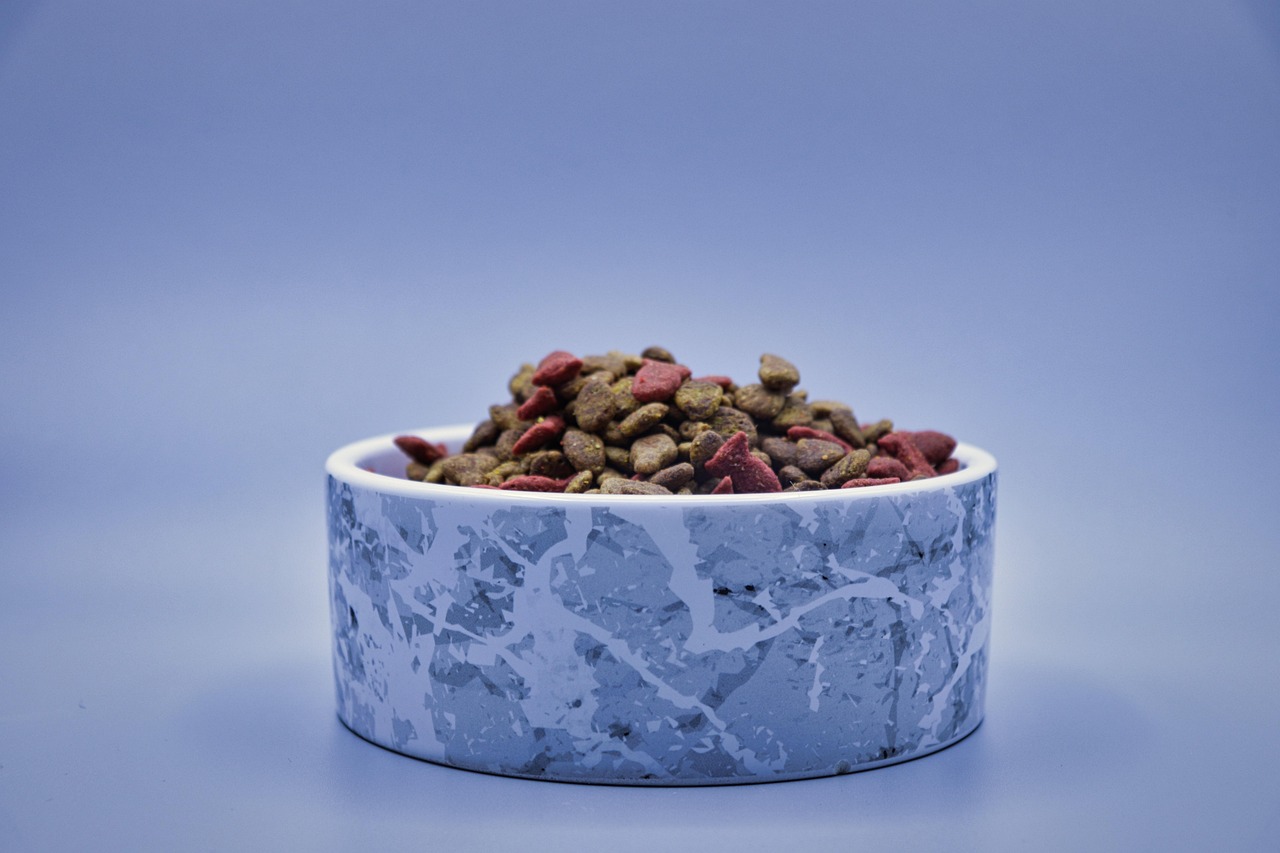
Shedding Pounds: The Best Cat Food for Healthy Weight Loss
Maintaining an ideal weight is crucial for a cat’s overall health. Overweight cats are at a higher risk of developing diabetes, arthritis, heart disease, and other health problems. Choosing the right cat food is essential for your furry friend’s weight loss journey. In this article, we will explore the best cat food options for healthy weight loss and provide helpful tips to aid your cat in safely shedding those extra pounds.
Understanding Cat Obesity
Before diving into the diet specifics, it’s important to understand what leads to obesity in cats. Common causes include overfeeding, lack of exercise, and an imbalance in their diet composition. Identifying the root cause is the first step in implementing an effective weight loss plan.
Recognizing Signs of Obesity in Cats
Cats vary in shapes and sizes, but there are some general signs that your cat might be overweight:
- Lack of a visible waist
- Bulging abdomen
- Difficulty in grooming or moving around
- Reduced activity or lethargy
If you notice these signs, it’s a good idea to consult a veterinarian to determine if your cat is overweight and by how much.
Choosing the Right Cat Food for Weight Loss
Selecting a suitable cat food formula plays a pivotal role in helping your cat lose weight while ensuring they receive all necessary nutrients.
High Protein, Low Carb Diets
Cats are carnivores by nature, and their diet should be rich in proteins. High-protein, low-carbohydrate foods help maintain lean muscle mass while losing fat. Look for cat foods where proteins are listed as the first ingredient and are sourced from real meats like chicken, turkey, or fish.
Portion Control and Feeding Schedule
Controlling how much and how often your cat eats is as important as what they eat. Automatic feeders or pre-measuring meals can prevent overfeeding. Consistent meal times also help manage hunger and satiety.
Specially Formulated Weight Management Foods
Many pet food brands offer formulas specifically designed for weight loss. These products typically have fewer calories and extra fiber, which helps keep your cat full longer. Before switching to a weight management formula, consult your vet to ensure it’s appropriate for your cat’s specific health needs.
Reading Cat Food Labels
Understanding food labels can help you choose the best option for your cat. Avoid foods with excessive carbohydrate fillers like corn or wheat. Also, ensure the food complies with the Association of American Feed Control Officials (AAFCO) guidelines.
Wet Food vs. Dry Food for Weight Loss
The type of food—wet or dry—can also impact your cat’s weight management.
Benefits of Wet Food
Wet food is often recommended for weight loss because it has higher moisture content, which helps keep cats hydrated and feeling full. The higher protein and lower carb content typically found in wet food also support weight loss efforts.
The Role of Dry Food
While dry food is more calorie-dense, it can still be part of a weight management program. Measure out portions to prevent overeating and choose a high-quality, low-calorie product designed for weight loss.
Common Questions About Cat Weight Loss
How Fast Should My Cat Lose Weight?
Rapid weight loss can be dangerous for cats, possibly leading to liver issues. A safe target is losing 1-2% of body weight per week. Regular check-ins with a vet can help ensure the weight loss is occurring at a healthy pace.
What If My Cat Refuses to Eat Diet Food?
If your cat turns their nose up at healthier food options, introduce changes gradually. Mix a small amount of the new food with their current food, slowly increasing the proportion over time. Enhancing food appeal with a bit of warm water or low-sodium chicken broth might also help.
How Can I Help My Cat Lose Weight Beyond Changing Their Diet?
Increase your cat’s activity levels by incorporating more playtime into their daily routine. Use toys like lasers, feather wands, or even a simple box to encourage movement and exercise. Additionally, consider interactive feeders that make your cat work for their food, combining eating with physical activity.
Conclusion
Choosing the right cat food for weight loss, regulating eating habits, and ensuring active play are all pivotal steps in helping your cat achieve a healthier weight. With careful planning and consideration, you can significantly improve your cat’s quality of life and longevity. Always collaborate with your veterinarian to tailor a plan that’s perfect for your unique pet, ensuring a safe and effective weight loss journey.