


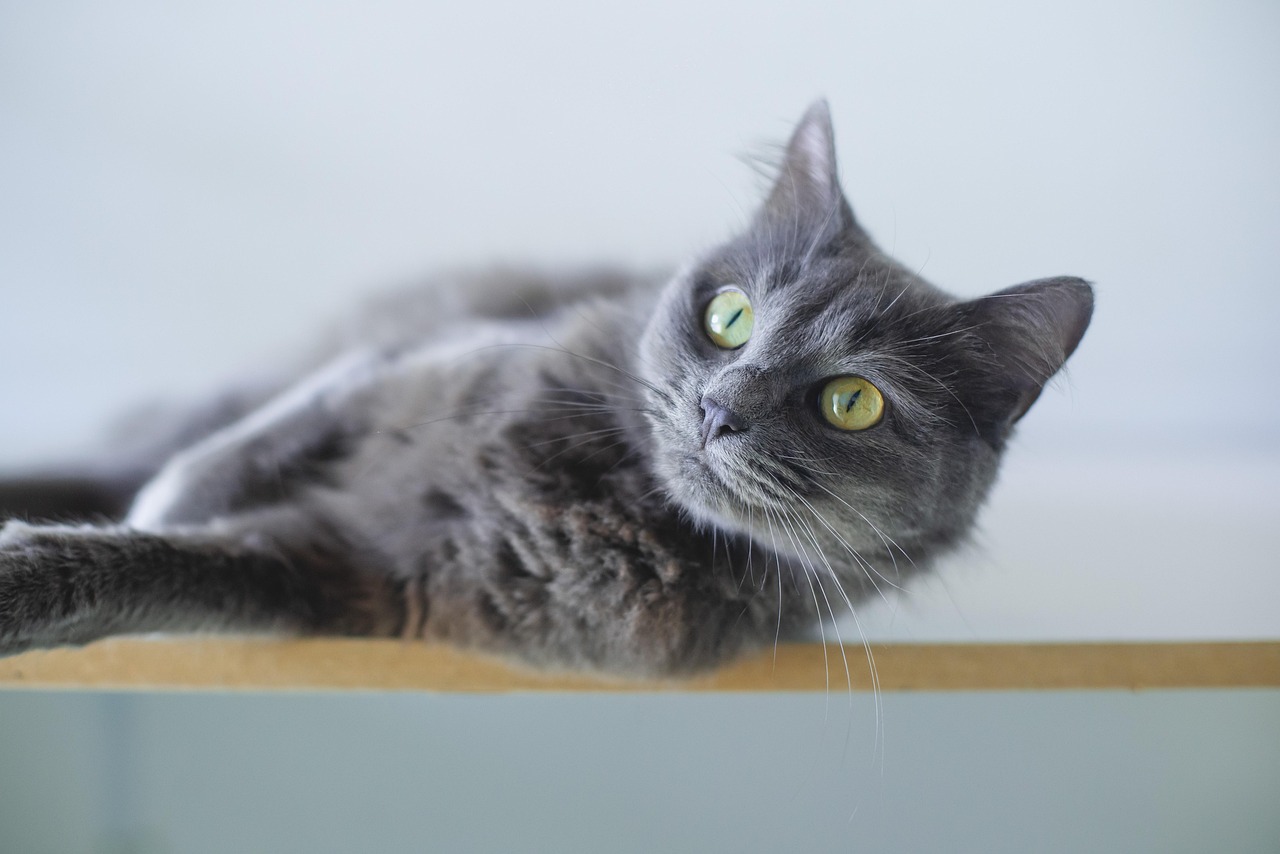
Essential Cat Grooming Tips for a Happy and Healthy Pet
Caring for your cat goes beyond just feeding and playing; grooming plays an integral part in maintaining your feline’s health and happiness. Regular grooming sessions not only keep your cat looking good but also provide an opportunity to enhance the bond between you and your pet. From fur brushing to nail trimming, this article offers essential cat grooming tips to ensure your healthy and happy furry friend.
The Importance of Cat Grooming
Effective grooming helps prevent common issues such as matting, excessive shedding, and skin infections. It aids in the early detection of fleas, ticks, and potential health problems that might not be obvious. Regular brushing, for instance, stimulates blood flow and distributes natural oils throughout your cat’s coat, enhancing its overall shine and vitality.
Bathing Basics
Unlike dogs, most cats are meticulous self-cleaners; however, occasional baths can help reduce dander and alleviate allergens, especially in households with sensitive individuals. When bathing your cat:
- Use a mild, cat-specific shampoo.
- Bath times should be short to reduce stress.
- Ensure the water is lukewarm to make the experience as comfortable as possible.
- Gently dry your cat with a soft towel or a low-heat hair dryer.
Brushing and Combing
Regular brushing is one of the most beneficial aspects of cat grooming. Long-haired breeds should be brushed daily, while short-haired cats can be brushed a few times a week. This practice helps remove dirt, grease, and dead hair from their coat. Consider the type of brush based on your cat’s coat:
- For short-haired cats, a fine-toothed metal comb works well.
- For long-haired breeds, use a wide-toothed comb followed by a slicker brush.
Managing Cat Hair
Cat hair can be a nuisance around the house. Regular grooming reduces shedding and the formation of hairballs. Providing your cat with a balanced diet also contributes to a healthier coat, which sheds less.
Tools for Managing Undercoats
For breeds with dense undercoats, like the Maine Coon, grooming tools designed to remove loose undercoat hair, such as de-shedding tools or undercoat rakes, are highly effective in managing shedding.
Nail Trimming
Trimming your cat’s nails is essential to prevent them from becoming overly long, which can cause discomfort or injuries. A few tips for successful nail trimming include:
- Introduce your cat to nail clippers early to ease anxiety.
- Trim the nails every 10-14 days.
- Only cut the transparent part of the nail to avoid the quick, which is painful if clipped.
Ear and Eye Care
Regular checks should be part of your grooming routine. Use a soft, damp cloth to wipe away any dirt or discharge. Eyes should be clear and free from redness or swelling, and ears should not have a bad odor or excessive wax buildup.
Cleaning Specifics
For eyes, use a separate cloth for each one to prevent cross-contamination. For ears, you can use special cat ear cleaner and cotton balls. Never insert anything into their ear canal.
Dental Health
Teeth cleaning is often overlooked in cats. Dental disease can lead to serious health issues, including heart and kidney problems. Brush your cat’s teeth regularly with a vet-approved toothpaste, and consider dental treats and toys that help reduce plaque buildup.
Professional Groomers
If grooming your cat is too challenging, consider enlisting the help of a professional groomer. They’re trained to handle fussy felines and can perform tasks like bathing, haircuts, and more complicated grooming techniques safely.
Conclusion
Regular grooming is crucial for your cat’s physical and emotional well-being. Implementing the tips provided can lead to a happier, healthier pet and a stronger bond between you and your cat. Remember, when your cat is well-groomed, it’s not just about looking good—it’s about feeling good, too.