


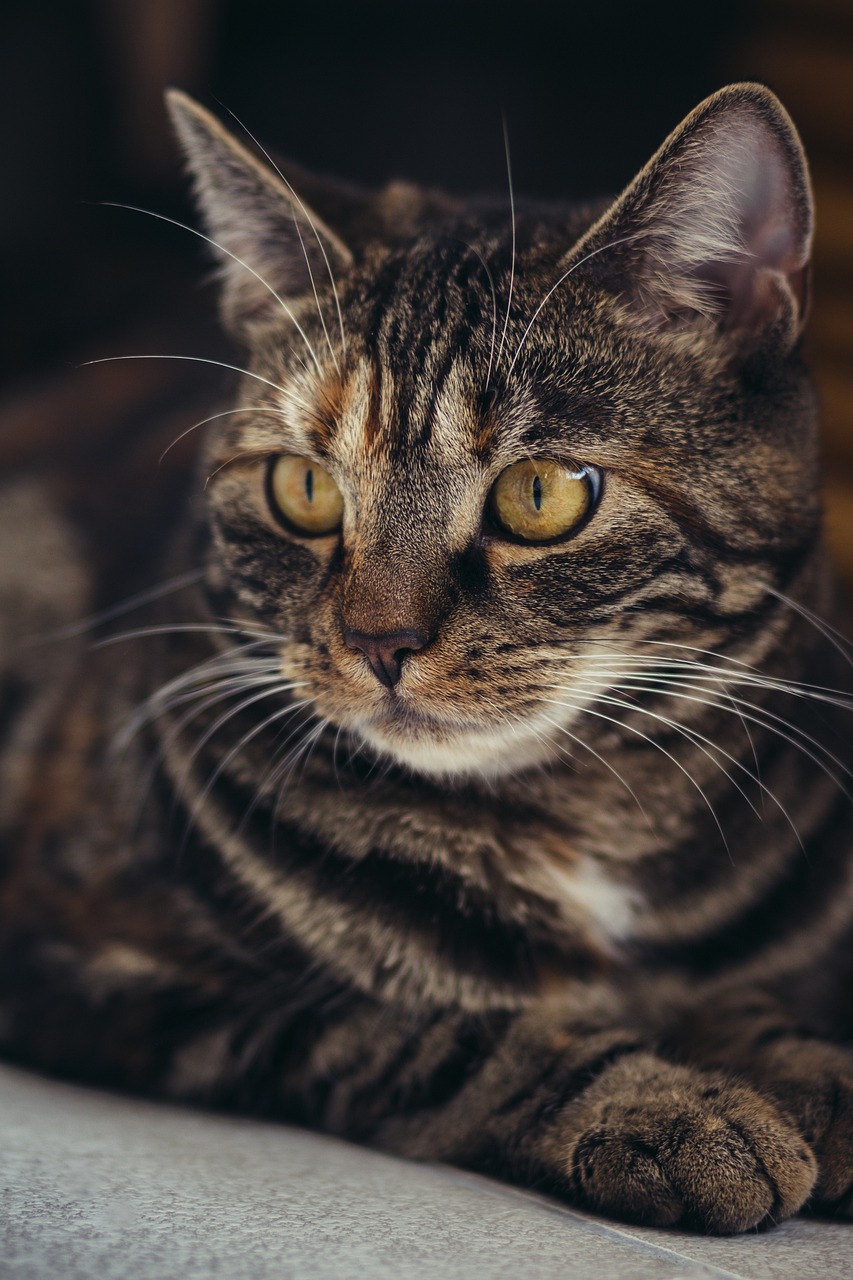
Indoor Cat Health: Essentials for a Happy Life
Ensuring the health and happiness of indoor cats is crucial for their wellbeing. Unlike their outdoor counterparts, indoor cats depend entirely on their human caretakers for their physical and mental health needs. This comprehensive guide provides insights into maintaining a flourishing life for your indoor cat, integrating essential care tips with answers to common questions.
The Importance of Diet in Indoor Cat Health
Feeding your cat a nutritious, balanced diet is fundamental to their overall health. High-quality commercial cat foods typically satisfy the nutritional requirements of cats. However, it is vital to consider your cat’s specific needs such as age, weight, and health conditions. Consult with a veterinarian to tailor a diet that supports optimal health.
Choosing the Right Food
Opt for cat food brands that list a protein source like chicken, fish, or beef as the first ingredient. Be wary of foods with excessive fillers like corn and wheat. Remember, while dry food is convenient, incorporating wet food can aid in hydration and reduce the risk of kidney issues.
The Role of Supplements
While most indoor cats do not need supplements if they are on a balanced diet, specific situations such as pregnancy, aging, or health conditions might require supplementary nutrition. Always discuss any supplements with your vet before introducing them to your cat’s diet.
Keeping Your Indoor Cat Physically Active
A lack of physical activity can lead to weight gain and associated health issues in indoor cats. Creating an environment that encourages play and exploration can help manage their physical health.
Interactive Toys and Games
Incorporate various toys that stimulate your cat’s hunting instincts and keep them active. Toys like laser pointers, feather wands, and interactive mice provide excellent physical exercise and mental stimulation.
Building a Cat-Friendly Environment
Setting up cat trees, shelves, and window seats can also encourage activity. These installations not only enrich your cat’s environment but also provide them crucial exercise climbing and jumping.
The Significance of Preventive Healthcare
Regular veterinary check-ups are essential for maintaining the health of an indoor cat. Even if your cat appears healthy, annual wellness exams can detect problems before they become severe.
Vaccinations and Routine Check-Ups
Ensure your cat stays up-to-date with vaccinations, even if they live indoors. Diseases like rabies and distemper can enter homes inadvertently, and it’s vital to protect your pet ahead of time.
Importance of Spaying or Neutering
Spaying or neutering your indoor cat can prevent a host of health and behavioral issues, including some forms of cancer and unexpected aggression.
Mental Health and Wellbeing
Mental health is as important as physical health in indoor cats. The restrictive nature of indoor environments can lead to stress and boredom, which can manifest as behavioral problems.
Enrichment Through Companionship
Sometimes, having another cat or a friendly dog can provide companionship and reduce feelings of loneliness, especially if you spend long hours away from home.
Importance of Routine
Consistent daily routines can make indoor cats feel secure and comfortable. Try to feed, play, and engage in cuddle sessions around the same time every day.
Addressing Common Questions About Indoor Cat Care
Owners often have questions about the ideal care for their indoor cats. Here are some typical inquiries:
How often should I clean my cat’s litter box?
To maintain hygiene and comfort, scoop the litter box daily and change the litter completely at least once a week.
What are the signs of illness in indoor cats?
Changes in eating habits, activity levels, or bathroom habits can all indicate illness. Uncharacteristic aggression or withdrawal should also prompt a visit to the vet.
Is it necessary to brush my cat’s teeth?
Yes, dental care is crucial for cats. Regular brushing can prevent dental diseases, which are common in cats and can affect overall health. Specialized cat toothpaste and brushes are available and recommended.
In conclusion, a thriving indoor cat needs a combination of proper diet, exercise, preventive healthcare, and mental stimulation. By adhering to these guidelines, cat owners can ensure their pet’s happiness and health indoors. Remember, regular check-ins with a veterinarian can keep your cat in optimal health and provide peace of mind for you as an owner.