


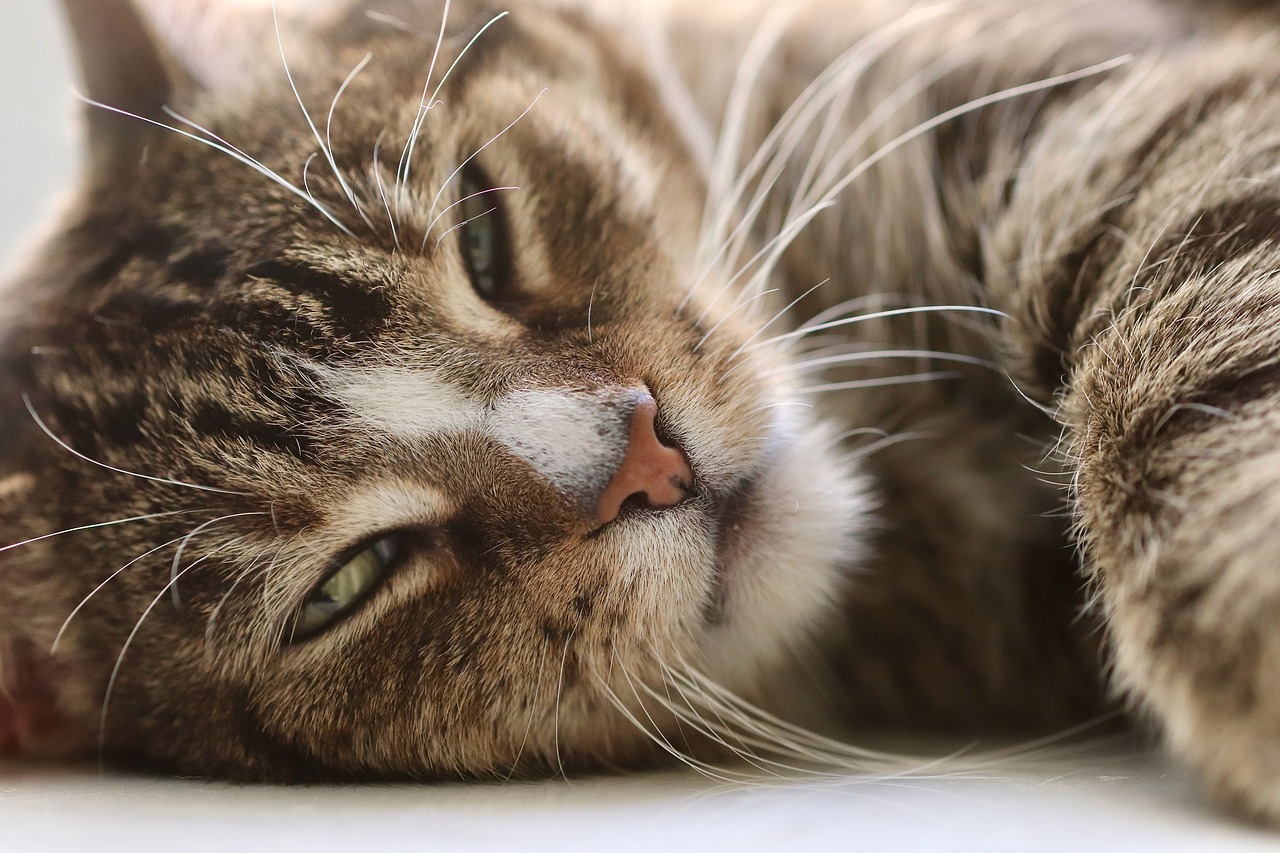
Understanding Whiskers: How Cats Use Their Facial Hair for Navigation and Emotion
Cats are fascinating creatures, beloved for their graceful movements, sharp hunting skills, and enigmatic personalities. One of their most distinctive features is their whiskers. These are not just ordinary hairs but specialized tactile tools that play a critical role in how cats perceive the world. In this comprehensive guide, we will explore how cats use their whiskers for navigation and expressing emotions, delve into the science behind these remarkable sensory organs, and answer some common questions about cat whiskers.
What Are Cat Whiskers?
Whiskers, medically termed as vibrissae, are thick, stiff hairs deeply embedded in a cat’s skin, heavily laden with nerve endings. Whiskers are typically found on the muzzle, above the eyes, on the jaw line, and on the back of the front legs. These tactile hairs are highly sensitive and capable of detecting minimal changes in the cat’s environment.
The Role of Whiskers in Navigation
Cats are crepuscular creatures, meaning they are most active during the dawn and dusk. In low-light conditions, whiskers come into play to help them navigate their environment. Each whisker is packed with proprioceptive sensors at the base, which sends signals to the cat’s brain about the position of the whisker. Here’s how this mechanism aids in navigation:
- Detecting Objects: The whiskers can detect nearby objects by touching them or sensing air currents. This is particularly useful to avoid obstacles in the dark or when in stealth mode during hunting.
- Measuring Openings: Whiskers can help cats gauge whether they can fit through a gap. The width of a cat’s whiskers is roughly as wide as its body. This spatial awareness is crucial when they navigate through tight spaces.
- Sensory Mapping: As cats move, whiskers collect data from surroundings, creating a kind of sensory map. This map aids in spatial awareness and movement precision, even in complete darkness.
Whiskers and Emotional Expression
Aside from navigational utility, whiskers also serve as indicators of a cat’s mood. The position of the whiskers can often give away how a cat is feeling:
- Neutral Position: When a cat is relaxed, its whiskers will be in a neutral position, sticking out sideways from its face.
- Forward: If the whiskers are pushed forward, this generally means the cat is curious or excited. This positioning prepares them to gather more information about interesting or moving objects nearby.
- Pinned Back: When the cat’s whiskers are pulled back against its face, it might be an indication of fear, aggression, or defensive behavior.
Common Questions About Cat Whiskers
Do Whiskers Grow Back If Cut?
Yes, whiskers do grow back if they are cut or fall out. However, cutting a cat’s whiskers is highly discouraged as it can disorient them, leading to stress and impairing their ability to navigate safely.
Why Do Cats Sometimes Twitch Their Whiskers?
Whisker twitching can be a sign of excitement or anticipation. If a cat is focused on a prey or a toy, you might notice its whiskers twitching as part of its concentration and hunting instinct.
Do All Cats Have the Same Whisker Length?
No, whisker length varies among cats. Typically, a larger cat breed will have longer whiskers than a smaller breed. The general rule is that the whiskers are as wide as the cat’s body is at its widest part.
Can Whiskers Indicate a Cat’s Health?
Occasionally, the state of the whiskers can give clues about a cat’s health. Broken, bent, or excessively falling out whiskers might be a sign of illness or malnutrition. A visit to the vet is recommended if you notice unusual changes in your cat’s whiskers.
Conclusion
Whiskers are more than just facial hair for cats; they are sophisticated sensory tools that influence navigation, safety, and emotional expression. Understanding the role and care for your cat’s whiskers can enhance your relationship with your feline friend by helping you better understand their needs and behavior. So next time you find your cat whisking through the house or exploring a tight spot, you’ll appreciate just how crucial these remarkable hairs are to their way of life.
Remember, cat whiskers are essential to their well-being, so never attempt to cut them. Instead, observe their behavior and movement to gain insights into their well-being and mood.